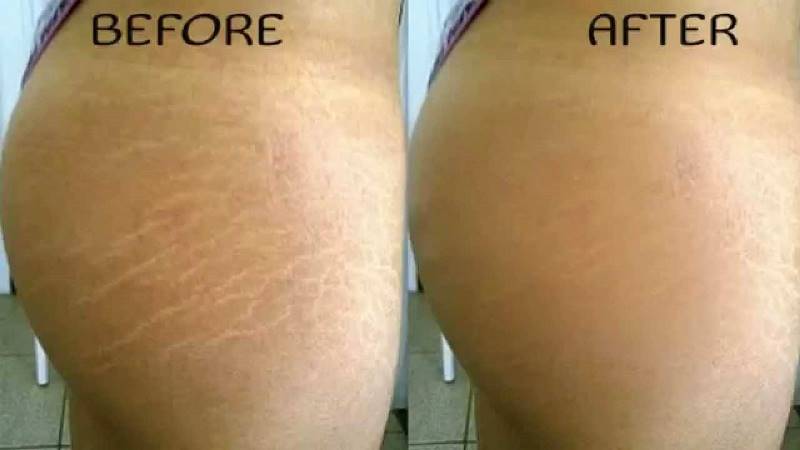
Stretch marks are a common skin concern that affects both men and women. These unsightly lines, medically referred to as striae, can appear on various parts of the body due to multiple factors.
Although they can fade over time, stretch marks often remain visible without treatment.
Let’s dive into what causes stretch marks, who can be affected, and the best ways to prevent or treat them.
What Causes Stretch Marks?
Stretch marks occur when the skin is stretched rapidly, causing the underlying dermis layer to tear. These tears disrupt collagen and elastin, which are responsible for the skin’s elasticity and strength.
The most common causes include:
- Weight Gain – Rapid weight gain stretches the skin beyond its capacity.
- Hormonal Changes – Hormones during puberty or menopause can make the skin more susceptible.
- Growth Spurts – Teenagers experiencing rapid growth often develop stretch marks.
- Pregnancy – Expanding skin, especially on the abdomen and hips, is a major contributor.
- Abrupt Weight Loss – Skin struggles to adjust quickly after losing weight.
- Excessive Exercise – Bodybuilders and athletes who gain muscle mass quickly may notice stretch marks.
- Stress and Steroid Use – Corticosteroids weaken the skin, making it prone to marks.
Are Stretch Marks Permanent?
Stretch marks are considered a permanent form of skin damage, but their visibility can improve over time. The likelihood of complete removal depends on factors like:
- Age of the Scars: Fresh stretch marks are red or purplish, while older marks fade to white or silvery lines.
- Treatment Method: Non-invasive methods like lotions or creams can reduce visibility, but surgery or laser treatments offer more noticeable results.
Who Can Be Affected by Stretch Marks?
Stretch marks do not discriminate and can affect anyone, regardless of age, gender, or skin tone. Common areas where they appear include:
- Thighs
- Buttocks
- Breasts
- Abdomen
- Lower back
Individuals with darker complexions may notice lighter, brownish scars, while those with lighter skin often develop red or silvery marks.
Red vs. White Stretch Marks
1. Red Stretch Marks (New Marks)
- These appear soon after the skin has been stretched.
- Red marks are easier to treat using creams, lotions, or topical medications.
2. White Stretch Marks (Old Marks)
- Over time, red marks fade to silvery-white streaks.
- They are harder to treat and often require advanced methods like laser therapy or surgical procedures.
While both types are forms of permanent scarring, early intervention can significantly reduce their appearance.
Preventing and Treating Stretch Marks
Preventive Measures
While stretch marks can’t always be avoided, these steps can reduce their likelihood:
- Exercise Regularly: Toning your body improves skin elasticity and circulation.
- Hydrate Your Skin: Apply creams and lotions containing Vitamin E or Tretinoin to maintain skin hydration and elasticity.
- Stay Hydrated: Drink plenty of water to keep skin cells healthy and supple.
- Avoid Scratching:Scratching damages sensitive skin further, worsening the marks.
Treatment Options
1. Over-the-Counter (OTC) Creams and Lotions:
- Look for creams containing natural ingredients, hyaluronic acid, or Tretinoin.
- These products won’t completely remove stretch marks but can make them less noticeable.
2. Laser Surgery:
- How It Works: Laser treatments stimulate collagen production by targeting the dermis layer of the skin.
- Effectiveness: Multiple sessions are needed for optimal results.
- Downside: Laser surgery is costly and may not be affordable for everyone.
3. Microdermabrasion:
- This non-invasive procedure exfoliates the top layer of the skin, encouraging new cell growth.
- It works best for mild to moderate stretch marks.
4. Chemical Peels:
- These treatments involve using acid-based solutions to peel away damaged skin and stimulate fresh growth.
Stretch marks, though common and often permanent, don’t have to be a life sentence. Understanding their causes, types, and treatment options allows you to take control and minimize their appearance.
From affordable OTC lotions to advanced laser therapy, there are solutions to fit every lifestyle and budget.
Preventive measures, such as staying hydrated and exercising regularly, can also go a long way in maintaining healthy and elastic skin.