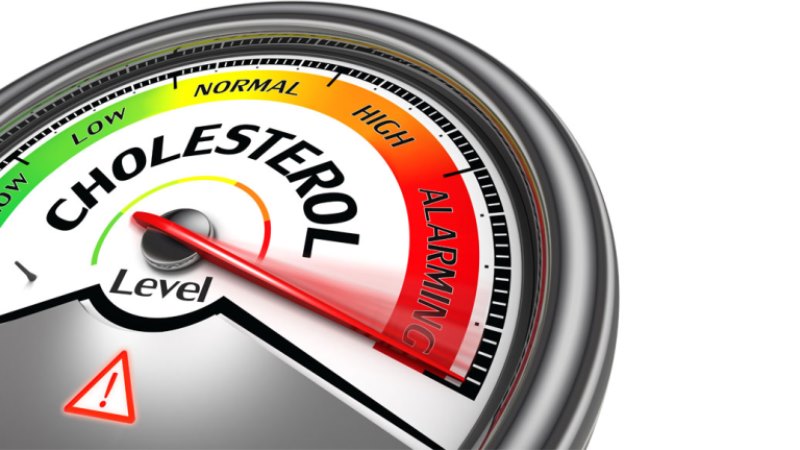
High cholesterol is a common health issue that affects millions of people worldwide. It is a significant risk factor for cardiovascular diseases, including heart attacks and strokes.
While cholesterol is essential for the body’s normal functions, elevated levels can be dangerous.
This article explores what cholesterol is, its causes, associated risks, and actionable strategies to lower it for a healthier life.
What Is Cholesterol?
Cholesterol is a waxy, fat-like substance found in your blood. It is produced by the liver and also comes from the food you eat. Cholesterol plays a vital role in:
- Producing hormones like estrogen and testosterone.
- Creating vitamin D, which is crucial for bone health.
- Building cell membranes and producing bile acids that help digest fats.
Cholesterol travels through the bloodstream in two types of lipoproteins:
- Low-Density Lipoprotein (LDL): Known as “bad cholesterol,” LDL contributes to plaque buildup in the arteries, restricting blood flow and increasing the risk of heart disease.
- High-Density Lipoprotein (HDL): Known as “good cholesterol,” HDL helps remove excess cholesterol from the bloodstream, reducing the risk of artery blockages.
What Causes High Cholesterol?
High cholesterol can result from a combination of lifestyle choices, genetics, and other medical conditions:
1. Unhealthy Diet
Consuming saturated fats (found in red meat, dairy products, and fried foods) and trans fats (found in processed and packaged foods) increases LDL cholesterol.
2. Lack of Physical Activity
A sedentary lifestyle lowers HDL levels and contributes to weight gain, which worsens cholesterol levels.
3. Smoking and Excessive Alcohol
Smoking damages blood vessels, lowers HDL cholesterol, and accelerates plaque buildup.
Excessive alcohol intake raises cholesterol and triglyceride levels.
4. Genetics
Familial hypercholesterolemia is a genetic condition that causes high cholesterol, regardless of diet or exercise habits.
5. Age and Gender
Cholesterol levels naturally rise with age.
Women tend to have lower cholesterol than men before menopause, but their LDL levels increase after menopause.
6. Medical Conditions
Certain conditions like diabetes, hypothyroidism, liver disease, and obesity can raise cholesterol levels.
Health Risks of High Cholesterol
Excess cholesterol can accumulate in the walls of arteries, forming plaques that narrow and harden the blood vessels. This can lead to:
- Atherosclerosis: The narrowing of arteries that restricts blood flow.
- Heart Disease: Plaque buildup can block blood flow to the heart, increasing the risk of heart attacks.
- Stroke: Blocked arteries in the brain can lead to a stroke.
- High Blood Pressure: Narrow arteries force the heart to work harder, leading to hypertension.
- Peripheral Artery Disease (PAD): Reduced blood flow to the legs and arms.
Effective Ways to Lower Cholesterol
High cholesterol is manageable and reversible through a combination of lifestyle changes and medical treatment. Here are proven strategies to reduce cholesterol:
1. Adopt a Heart-Healthy Diet
- Limit Saturated and Trans Fats: Replace red meat, full-fat dairy, and processed foods with healthier options.
- Eat More Fiber: Whole grains, fruits, vegetables, beans, and nuts lower LDL cholesterol.
- Add Healthy Fats: Incorporate unsaturated fats from olive oil, avocados, nuts, and fatty fish (e.g., salmon, tuna).
- Include Omega-3 Fatty Acids: Found in fish, flaxseeds, and walnuts, omega-3s improve heart health.
2. Exercise Regularly
Aim for at least 150 minutes of moderate exercise per week (e.g., brisk walking, swimming, or cycling). Exercise boosts HDL levels and aids weight management.
3. Quit Smoking
Quitting smoking improves HDL cholesterol and reduces the risk of heart disease. Within a year of quitting, your risk of heart disease decreases significantly.
4. Limit Alcohol Intake
Excessive alcohol can raise cholesterol and triglycerides. Stick to moderate drinking: one drink per day for women and two drinks for men.
5. Maintain a Healthy Weight
Losing even 5-10% of body weight can reduce LDL cholesterol and triglycerides.
6. Take Medications If Needed
For individuals with genetic predispositions or very high cholesterol, doctors may prescribe medications such as:
- Statins: Lower LDL cholesterol production.
- Ezetimibe: Reduces cholesterol absorption from food.
- PCSK9 Inhibitors: Lower cholesterol levels for high-risk individuals.
High cholesterol poses a serious risk to heart health, but it can be effectively managed with lifestyle changes and, if necessary, medications.
By adopting a balanced diet, exercising regularly, quitting smoking, and maintaining a healthy weight, you can significantly lower your cholesterol levels and reduce the risk of heart disease.
Regular health check-ups are essential to monitor cholesterol levels and overall cardiovascular health. Take control of your well-being today to ensure a healthier, longer life.